Lumenia is a private nonprofit residential addiction-treatment center in Monterrey, Nuevo León. Three- and seven-month residential programs begin with medical, psychiatric and psychological assessment and an individualized care plan. Treatment combines individual and group therapy, 12-Step work, spiritual support and care for co-occurring mental health needs.
Admission and Program Options
The intensive residential program lasts three months and is intended for moderate-complexity needs. The in-depth residential program lasts seven months and addresses higher-complexity needs.
A prior assessment determines which program fits the person’s substance use, length of use, physical and emotional health, and previous treatment. Lumenia supports young people and adults with substance-use concerns, as well as their families.
Admission preparation includes a government-issued photo ID and comfortable clothing for one to two weeks. Personal hygiene items, current medications and prescriptions, and any recent medical results are also requested.
The complete packing list and house rules are provided once an admission date is confirmed.
Treatment and Clinical Approach
Treatment uses the Minnesota Model, combining medical, psychological and spiritual support. Initial evaluation includes medical, psychiatric and psychological assessment.
The first days focus on stabilization, with medically supervised detoxification and round-the-clock support when needed. Individual and group therapy with psychologists addresses triggers, emotions and practical recovery skills.
The personalized plan incorporates therapy, 12-Step work and clear treatment goals. A dual-diagnosis approach addresses anxiety, depression and trauma alongside addiction.
Small groups allow close follow-up and adjustment of each treatment plan. Spiritual support explores personal meaning, purpose and connection with a Higher Power as each person understands it.
Daily Life and Activities
Residential life follows a structured routine with therapy, meals, reflection, community time and periods of rest. The following sample timetable is a guide and can change with the stage of treatment.
At 6 a.m., the sample day begins with waking, meditation and breakfast. Group therapy is scheduled at 9 a.m., followed by individual therapy or step work at 11 a.m.
Lunch is at 1:30 p.m. and psychoeducational workshops begin at 3 p.m. Physical activity and personal time begin at 5 p.m.; dinner and a 12-Step meeting follow at 7 p.m.
The sample schedule ends with lights out at 9 p.m.
Accommodation and Facilities
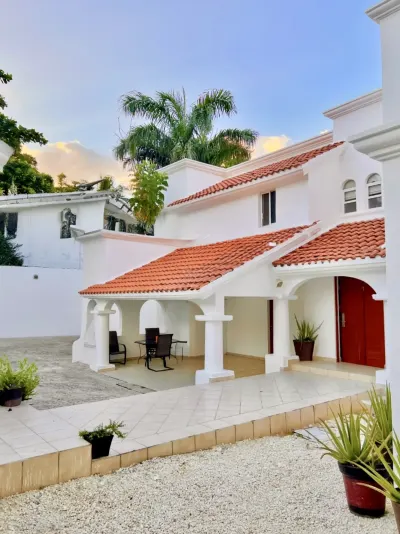
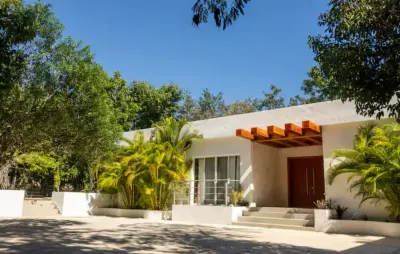
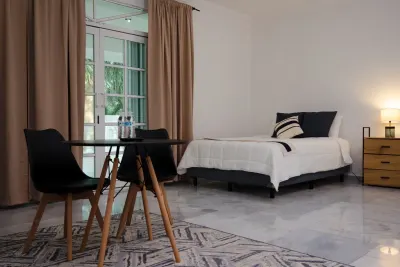
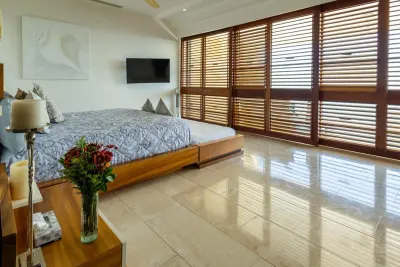
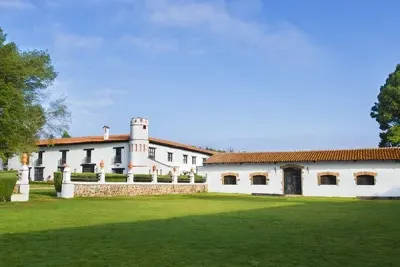
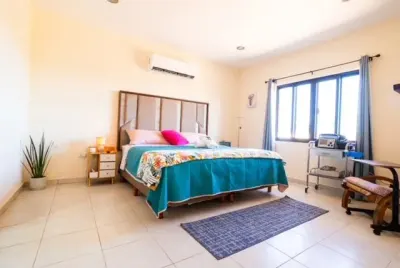
The residential house is in central Monterrey, Nuevo León. A shared bedroom has two single beds, and indoor hallways include furnished sitting areas.
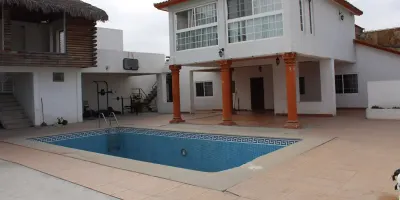
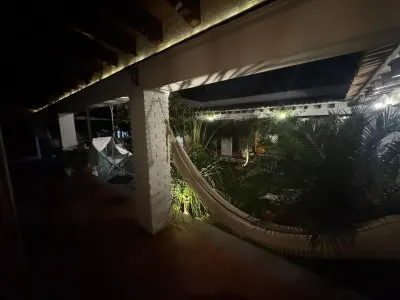
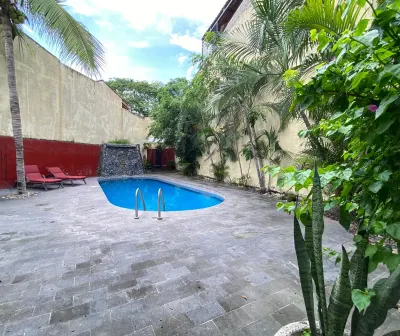
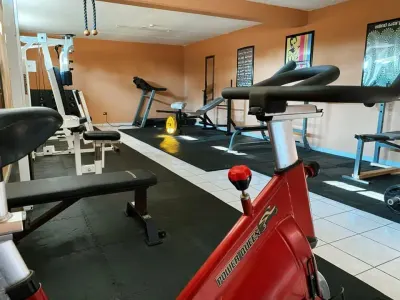
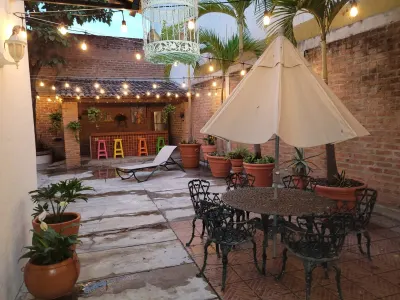
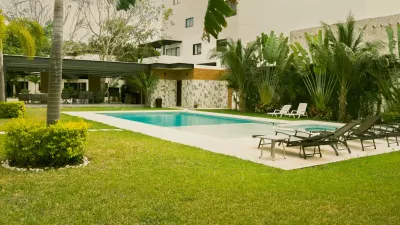
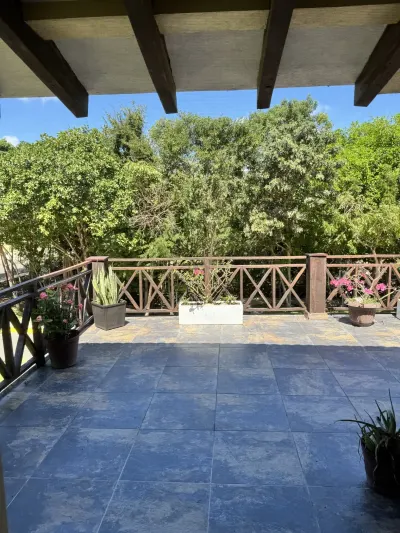
The outdoor areas include a courtyard, garden and swimming pool. The gym has a treadmill, exercise bike and weight machines.
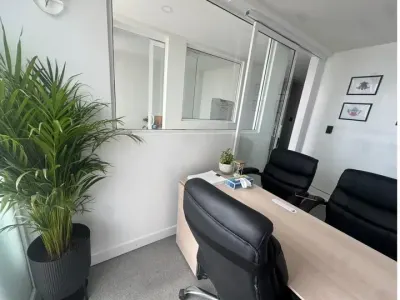
A pool table and ping-pong table provide recreation space. Dedicated spaces are available for individual and group therapy, reflection, 12-Step meetings and family meetings.
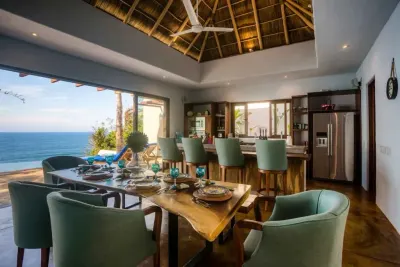
A medical office is part of the residence. The house has a dining room and a commercial kitchen with stainless-steel preparation and washing areas.
Bathroom, shower and laundry facilities support daily residential life. Balanced meals form part of the stay.
Family Program
The specialized family program addresses codependency and ways to support a loved one without losing personal boundaries. Family support groups provide space to share with other families.
Family therapy works on communication and trust at home. Psychoeducation helps relatives understand addiction and develop healthier ways to respond.
Healthy-boundary work focuses on protecting the family member’s own well-being while remaining supportive. Family members can begin codependency work before their relative enters treatment, regardless of the relative’s admission decision.
Visits are scheduled according to the stage of treatment, and families participate in their own program.
Aftercare and Continued Support
Continuing care after discharge includes follow-up, support groups and a relapse-prevention plan. Outpatient treatment is available in person or online without a residential stay.
The personalized outpatient program can include psychotherapy, addiction counseling and family therapy.
Areas of Support
Areas of support include alcohol and substances such as cocaine, methamphetamine, marijuana and opioids. Support also addresses dependence on prescription drugs and anti-anxiety medications.
Behavioral concerns include gambling, video games, sex and pornography without substance use. Co-occurring concerns include anxiety, depression and trauma associated with substance use.
Care Team
The multidisciplinary team includes physicians, psychiatrists, psychotherapists, clinical psychologists and addiction counselors. Andrea Guerra is co-founder, president and CEO; Dr. Adrián de la Garza is co-founder and a board member.
Gerson Andueza leads clinical care as Chief Clinical Officer, psychologist and psychotherapist. Dr. José Luis Herrera is Chief Psychiatrist, and Dr. Carolina Villarreal also provides psychiatric and psychotherapy care with an addiction focus.
Alana Villanueva and Paola García are clinical psychologists specializing in addiction. Oscar Martínez directs operations and works as an addiction counselor and prevention specialist; José Cantú is a counselor, prevention specialist and coordinator.
Fr. Julián Garza provides spiritual advice, and Chef Mario advises on nutrition.
Use the request form to confirm current costs, availability and admission terms before making a decision.