Mind-U provides residential psychiatric and addiction care in coastal Baja California through one coordinated clinical team. Programs last 35 days, 90 days, six months or one year, with clinical assessment guiding the level of care and individual plan.
Residential Treatment and Assessment
Mind-U provides psychiatric-led residential care for addiction and co-occurring mental health conditions through one coordinated clinical team. Treatment uses an individual clinical plan rather than a 12-step framework.
Residential stays are offered for 35 days, 90 days, six months or one year. Clinical evaluation determines the level of care; semi-residential options offer a more flexible schedule when continuous residence is not required.
The first 35 days include psychological and neuropsychological testing alongside therapy. These findings guide the individualized diagnosis and longer treatment plan. Psychiatric monitoring, medication management and neurological studies, including EEG and brain imaging, form part of the assessment-led approach.
The five areas of care are psychiatry, psychology, nutrition, holistic activities and physical exercise. The team coordinates them around the individual rather than treating each area independently.
The residential program primarily serves adults aged 18 and over. Admission of minors is considered only under specific conditions and individual clinical evaluation.
Addiction and Dual Diagnosis
The substance-use program addresses addiction alongside depression, anxiety, trauma or other co-occurring psychiatric conditions. Gambling and other behavioral addictions can also be addressed within the psychiatric model.
For opioid and fentanyl treatment, medically supervised detox begins with evaluation, vital-sign monitoring and laboratory work. Medication decisions are guided by the medical team; detox and subsequent psychiatric stabilization are distinct stages.
Naltrexone implants are an optional relapse-prevention service after medical stabilization for alcohol or opioid use. Placement requires prior laboratory workup and medical approval by Dr. Rochin.
Mind-U does not administer ibogaine.
Implants are a subdermal delivery format, distinct from oral tablets and monthly injections. The implant format does not have its own separate FDA approval in the United States.
The implant service can be delivered as an outpatient procedure or with a separate short residential stabilization stay. It is distinct from the four longer residential programs.
Other Psychiatric Programs
Depression care includes major depressive disorder, persistent depressive disorder and co-occurring anxiety. Anxiety programs cover generalized anxiety, panic, agoraphobia, social phobia and specific phobias.
Trauma care covers PTSD, complex PTSD and dissociative disorders, using EMDR, prolonged exposure and trauma-focused cognitive behavioral therapy where appropriate. Trauma can be treated alongside addiction, anxiety or depression.
Obsessive-compulsive disorder care includes exposure and response prevention with psychiatric medication management. Related conditions include hair-pulling, skin-picking and hoarding; the team makes its own evaluation even when a prior diagnosis is available.
Personality-disorder care includes borderline, antisocial, schizotypal, paranoid, avoidant, narcissistic, dependent and obsessive-compulsive personality disorders. Dialectical behavior therapy combines individual work, skills training and emotional regulation for appropriate cases.
Neurodevelopmental programs address adult ADHD, autism spectrum conditions, learning disorders and dyslexia. Psychotic-disorder programs cover schizophrenia, schizoaffective disorder and persistent delusional disorder through psychiatric monitoring and an individualized medication plan.
Eating-disorder care combines medical monitoring, therapy and structured nutritional support for anorexia, bulimia, binge eating, orthorexia and exercise-related concerns. The plan is centered on psychiatric and emotional needs, rather than fixed weight, calorie or BMI targets.
Executive-burnout care can address co-occurring anxiety, depression or substance use. Connectivity is limited to scheduled windows and may be restricted by the clinical team when it interferes with treatment.
Crisis-stabilization care includes continuous psychiatric and medical monitoring before transition to a longer-term plan. Individual suitability and the level of care are determined by clinical evaluation.
Psychotherapy and Neuromodulation
Individual, group and family therapy draw on cognitive behavioral therapy, dialectical behavior therapy, systemic family therapy, acceptance and commitment therapy, Gestalt approaches and Ericksonian hypnosis. Cinema-based therapy is also available.
Transcranial magnetic stimulation is available for applicable conditions beginning in the third month of 90-day or longer programs. It is not part of the 35-day intensive track.
Family Participation and Communication
The 35-day intensive program has no family visits or family-therapy sessions. In programs lasting 90 days or longer, the first month has no visits or telephone calls while detox, stabilization and assessment are underway; the clinical team continues to update the family.
From the second month, families can usually arrange one visit or call each week, generally on Saturdays. Timing can change according to clinical progress and family circumstances.
Families who cannot attend in person can join a live Saturday psychoeducational group. Individual family sessions with a psychologist take place every two weeks and focus on the specific family situation and mutual understanding.
In-person or virtual family work forms part of the broader treatment plan according to program stage. Family participation is not identical across short intensive and longer residential stays.
Continued Support After Discharge
Optional continuity plans are available after discharge online or in person. Formats may include weekday outpatient or online support, or attendance one or two weekends a month.
At minimum, a continuity plan includes individual psychology for the participant, family psychology and psychiatric evaluation at least monthly. Other elements are adjusted to individual needs, and cost is set after the follow-up arrangement is defined.
Clinical Team
Dr. Guillermo Rochin leads the psychiatric model as lead psychiatrist and co-founder. His professional background includes medical studies at UNAM, an internal-medicine residency in La Paz, psychiatric training in Zapopan and Houston, and experience in addiction, dual diagnosis, personality disorders and adult ADHD.
Rocío Araceli Velarde Gudiño co-directs clinical care and coordinates psychology. Her background includes doctoral study in psychology, family therapy and addictions, with individual, family and group work coordinated alongside psychiatric care.
Jesús A. Chávez López and Karla F. López Vázquez are clinical psychologists and family therapists. Their training includes cognitive behavioral and Gestalt approaches respectively.
The wider clinical team supports nursing, nutrition, holistic activities and physical exercise within the coordinated care plan.
Accommodation and Facilities
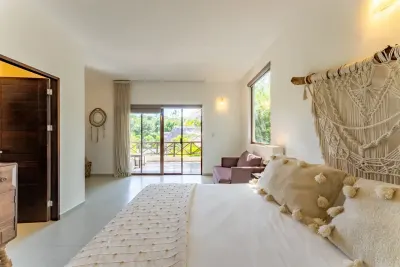
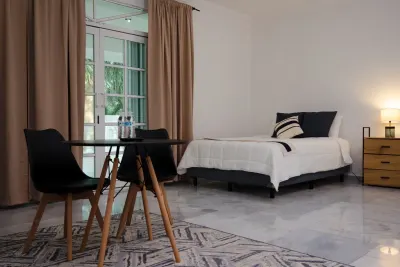
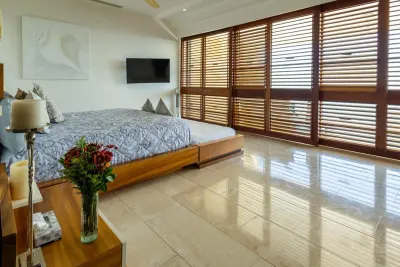
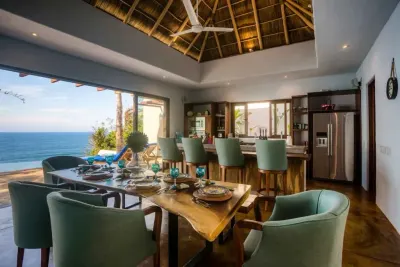
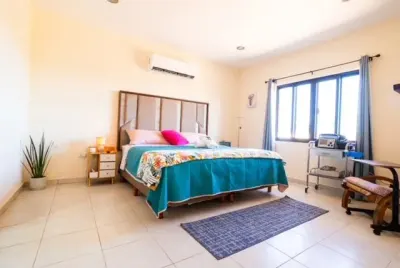
Residential bedrooms and a dedicated dining room provide spaces for rest and meals. Four private consultation offices support individual and family sessions, alongside reception, hallways and a nursing station.
The detox and stabilization area contains medical monitoring equipment, oxygen generators, ventilators and a defibrillator cart. Equipment availability is part of the residential setting.
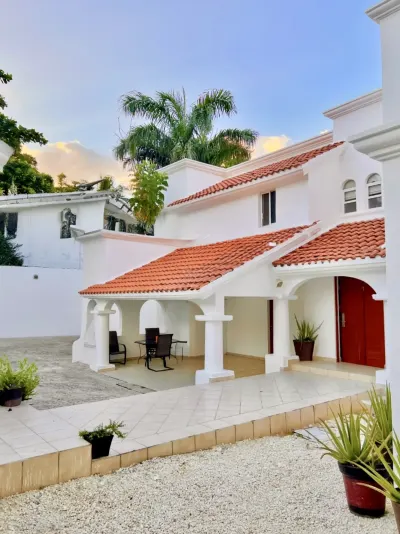
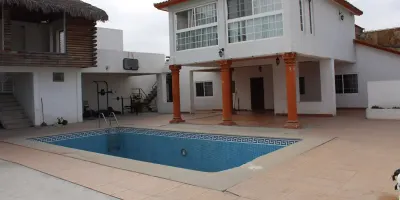
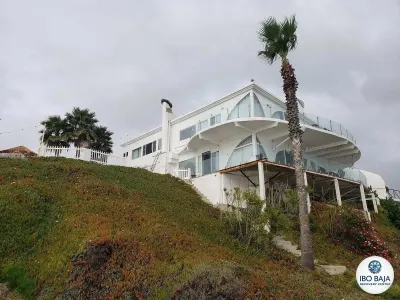
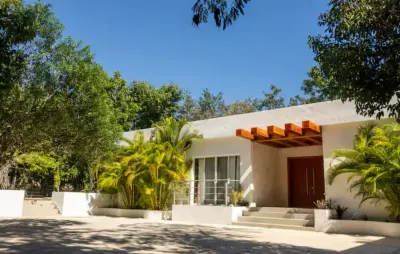
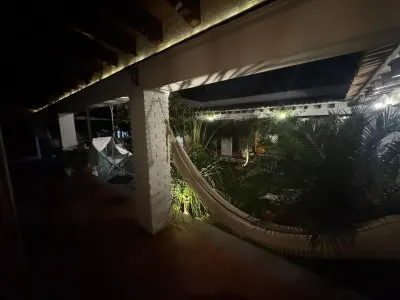
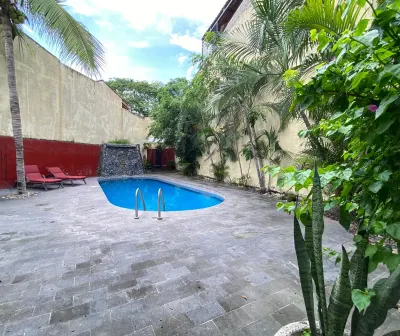
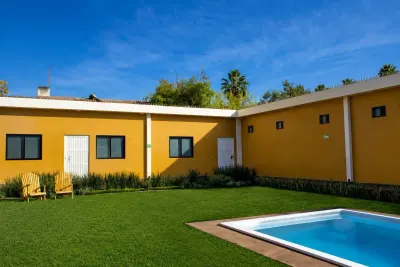
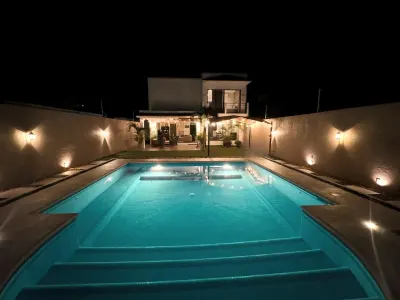
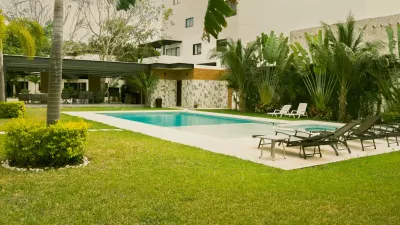
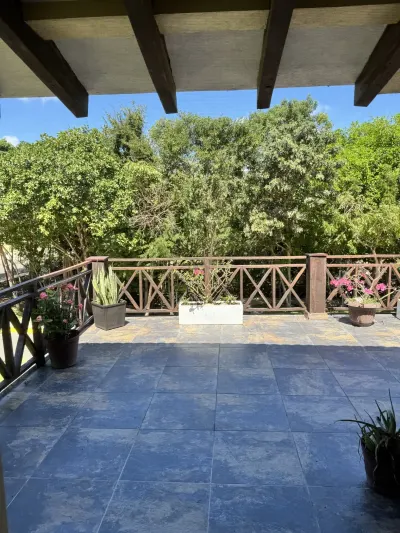
The property has ocean views, gardens, a fountain and waterfall area, a swimming pool, terraces, patios and a temazcal. Shared spaces include a multipurpose room, group-therapy room and cinema or projection room.
Indoor and outdoor yoga areas provide dedicated movement spaces within the property.
Nutrition and Daily Activities
Nutrition plans are developed from the clinical nutritionist's assessments and laboratory work, including epigenetic study. Personalized menus are coordinated with psychiatric and physical care.
A typical day combines individual and group therapy, structured movement, meals and rest. Activities are selected and updated according to the individual plan.
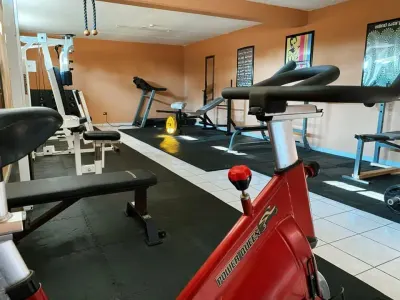
Holistic and recreational options include temazcal, equine activities, art and music work, sound-based activities and meditation. Exercise options include yoga, aqua fitness, cross training and team sports.
Location and Practical Planning
Mind-U is in coastal Baja California near the San Diego border region. Travel time depends on the route and border conditions.
Admission is subject to clinical evaluation and program suitability. Family-contact arrangements, connectivity and continuation options should be reviewed for the selected length of stay.
Use the request form to confirm current costs, availability and admission terms before making a decision.